
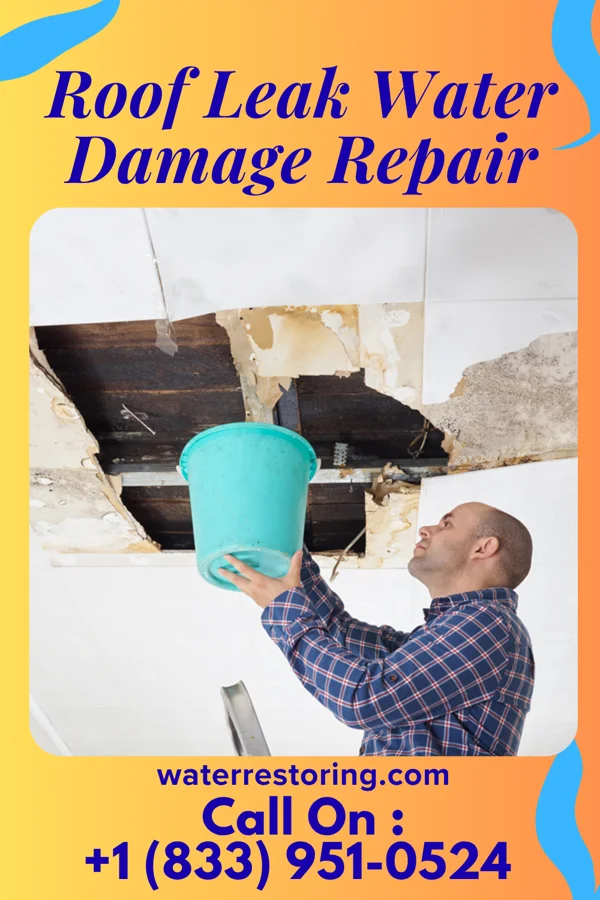
Roof Leaks & Insurance in Sewickley Heights
Sewickley Heights experiences frequent spring and summer thunderstorms that can lead to sudden heavy rainfall, increasing the risk of roof leaks. The region's proximity to the Allegheny River also means that heavy rains can cause water to pool around homes, especially in low-lying areas near Sewickley Hills and Edgeworth. is the trigger behind most roof leak water damage repair claims in Sewickley Heights. A close second is In the fall, the area is prone to strong winds and sudden temperature drops, which can cause roofing materials to expand and contract, leading to gaps and potential water infiltration. Winter snowmelt can also contribute to water damage if gutters are not properly maintained.. Most homeowner insurance policies cover sudden, accidental water damage. What separates a clean claim from a stuck one is fast professional response with documentation an adjuster can actually use.
The climate in Sewickley Heights, with its mix of heavy rain, strong winds, and temperature fluctuations, can lead to a variety of roof-related issues. Homes in the area, especially those near Sewickley Hills, are particularly vulnerable to water damage due to their elevated positions and exposure to weather patterns.
Most roof leak water damage repair calls in Sewickley Heights come from Sewickley Heights experiences frequent spring and summer thunderstorms that can lead to sudden heavy rainfall, increasing the risk of roof leaks. The region's proximity to the Allegheny River also means that heavy rains can cause water to pool around homes, especially in low-lying areas near Sewickley Hills and Edgeworth.. Running a close second is In the fall, the area is prone to strong winds and sudden temperature drops, which can cause roofing materials to expand and contract, leading to gaps and potential water infiltration. Winter snowmelt can also contribute to water damage if gutters are not properly maintained.. Local mold risk: Mold can develop within 48 hours of water exposure in Sewickley Heights, particularly in homes with poor ventilation or inadequate insulation. The region's high humidity levels and frequent rainfall increase the risk of secondary damage, including structural weakening and health concerns from mold spores.
For public guidance on the health effects of mold after prolonged water exposure, see the EPA mold and health page.